
How to Start a Cake Shed in the UK: Tax, HMRC and Food Business Rules
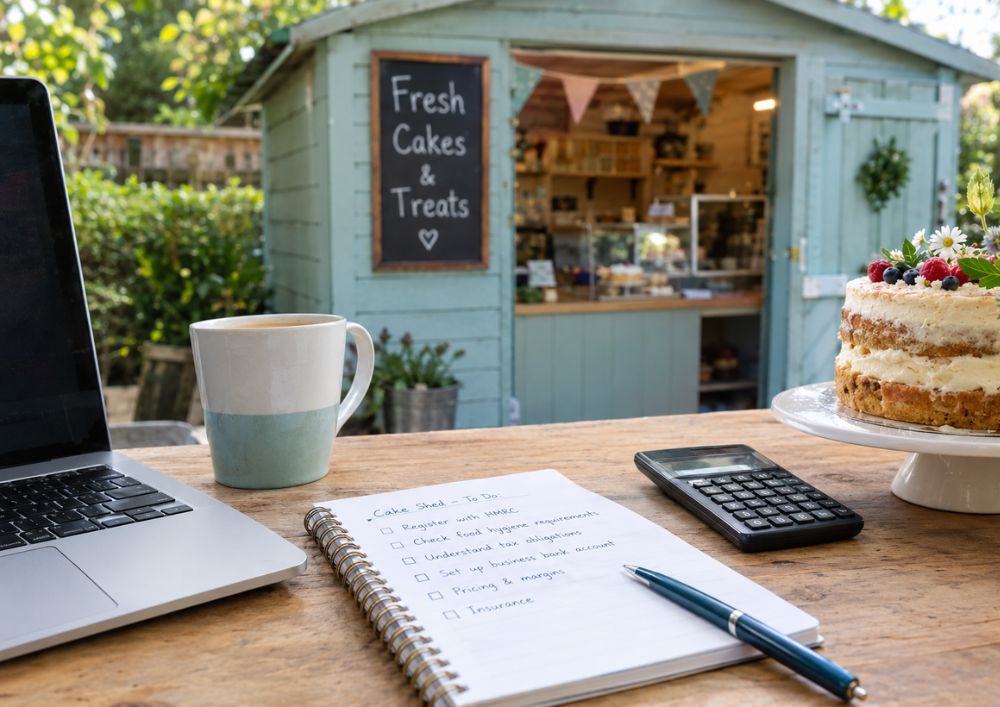
How to Start a Cake Shed in the UK: Tax, HMRC and Food Business Rules
A simple guide for home bakers selling cakes from an honesty-box stall, covering the £1,000 trading allowance, Self-Assessment, record keeping and food business registration.
Thinking of starting a cake shed in the UK? These small honesty-box cake stalls are popping up across the country—and it is easy to see why. A colourful roadside cabinet filled with homemade cakes, brownies and biscuits gives customers a quick way to choose a treat and pay by cash or bank transfer. For home bakers, selling cakes from home can turn a much-loved hobby into a welcome source of extra income.
The idea itself is not new. Farm-gate stalls and honesty boxes have long been used to sell eggs, vegetables, flowers, jam and firewood. Social media has simply given the model a fresh—and very photogenic—boost.
Do You Pay Tax on a Cake Shed?
If you regularly make food to sell with the aim of making a profit, HMRC is likely to regard the money you receive as trading income. That can apply even if you still think of the activity as a hobby—or if customers mainly pay in cash.
The key figure to watch is your gross trading income. This means the total amount you receive before deducting the cost of ingredients, packaging or other expenses. If the combined gross income from all your trading activities is more than £1,000 in a tax year, you will normally need to tell HMRC and you may need to register for Self-Assessment. Remember, the £1,000 trading allowance covers all your side hustles together—not each one separately. .
Cake Shed Tax Deadlines and Self-Assessment
If you need to complete a tax return for the 2025–26 tax year and you are new to Self-Assessment, you must tell HMRC by 5 October 2026. The deadline for filing online and paying any tax due is 31 January 2027.
What Records Should a Home Baker Keep?
- Record every sale, including cash, bank transfers and card payments.
- Keep receipts for ingredients, packaging, equipment and other business costs.
- Note the date each payment was received.
- Use a separate bank account or spreadsheet if that makes your records easier to follow.
You do not need a complicated system. Clear, up-to-date records will help you see how your cake shed is performing.
How to Register a Cake Business from Home
Tax is only one part of running a cake shed. If you start a food business—or take over an existing one—you must register it with your local authority at least 28 days before you begin trading or food operations.
Cake Shed UK Checklist
- Add up your gross income from every side hustle.
- Check whether you need to register for Self-Assessment.
- Keep clear sales and expense records.
- Register your food business with your local authority in good time.
- Set money aside for any tax that may be due.
The bottom line: a cake shed can be a rewarding small business, and the paperwork does not have to take the joy out of baking. Keep an eye on your income, stay organised and deal with registrations early. Then you can spend less time worrying about admin—and more time creating treats your customers love.
This article provides general information only. Tax and food-safety requirements depend on your circumstances, so check the latest official guidance or seek professional advice if you are unsure.