
HMRC is keeping an eye on Crypto currency gains
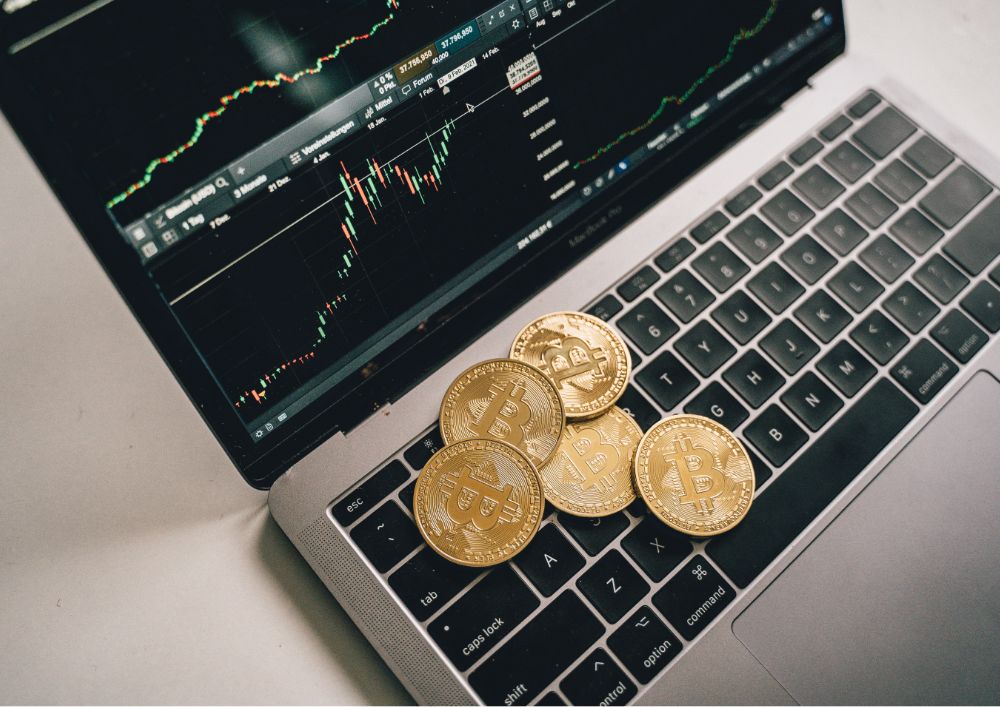
HMRC is keeping an eye on Crypto currency gains
HMRC is warning anyone who is holding crypto currency over long periods and making a gain that they will be liable for tax on their profits.
Not only will taxpayers have to declare when they have sold tokens for a profit, but also when assets are exchanged for an alternative crypto currency, and tokens are used to purchase goods and services, even if they have been given away.
HMRC have announced that going forward, self-assessment tax return forms are going to include a dedicated area for reporting crypto gains and it has released a YouTube video explaining the tax liability.
This means that self-assessment tax returns in future will have to include the type of token, the date each has been bought or gifted, the number of tokens and their value in pounds.
HMRC advises crypto investors that they must keep copies of bank statements for the relevant periods. Full details of when the assets are sold will also need to be disclosed. HMRC can go back up to 20 years if an enquiry is launched.
It is important to note that crypto currency platforms do not collect capital gains tax therefore everything must be declared directly to HMRC.
Additionally, if crypto has been mined by the taxpayer, then this has to be declared on a tax return as ‘other income’.
From next year, crypto platforms may have to disclose all transactions to HMRC, as now happens with online platforms such as eBay, Etsy and Vinted.
Last year there was a full consultation conducted on the mechanics of how crypto platforms would share client data with HMRC from 2026.
HMRC also warned that digital wallet addresses should be kept as a permanent record in case a compliance check is ever carried out by HMRC.
HMRC have also warned about potential risks of being paid salaries in cryptocurrency.
There have been some scenarios where employers choose to pay their staff in cryptocurrency, and in most circumstances the employer should deduct income tax and National Insurance contributions (NICs) directly via PAYE.
However, where the employer does not do this, for example if a contractor is hired through an umbrella company, the individual taxpayer will be liable and HMRC stressed ‘it is your responsibility to check and make sure the correct tax is paid’.
Even if income tax has already been paid on these funds, if they are sold at a later date for a profit then this could be subject to capital gains tax (CGT) if the profit breaches the £1,000 trading and miscellaneous income threshold, which includes crypto.
HMRC stated: ‘You can get up to £1,000 allowance each tax year for trading and miscellaneous income. The income you earn from your crypto assets will count towards this allowance. You must tell HMRC if your total miscellaneous income from all sources is between £1,000 and £2,500.’
If the above stated income is over £2,500 then it will be necessary to register for self-assessment, if you are not sure if this applies to you, then please get in touch.
Last August HMRC sent letters to crypto investors who they identified as having not declared their gains, as well as people that had been getting paid by their employer in crypto. HMRC also demanded a reply to the letter within 60 days.
Undeclared income from crypto assets from previous tax years can be declared through HMRC’s disclosure service but may end up incurring penalties and interest payments.