
HMRC Is Sending Thousands of Crypto Tax Letters — Here’s What UK Crypto Holders Need to Know
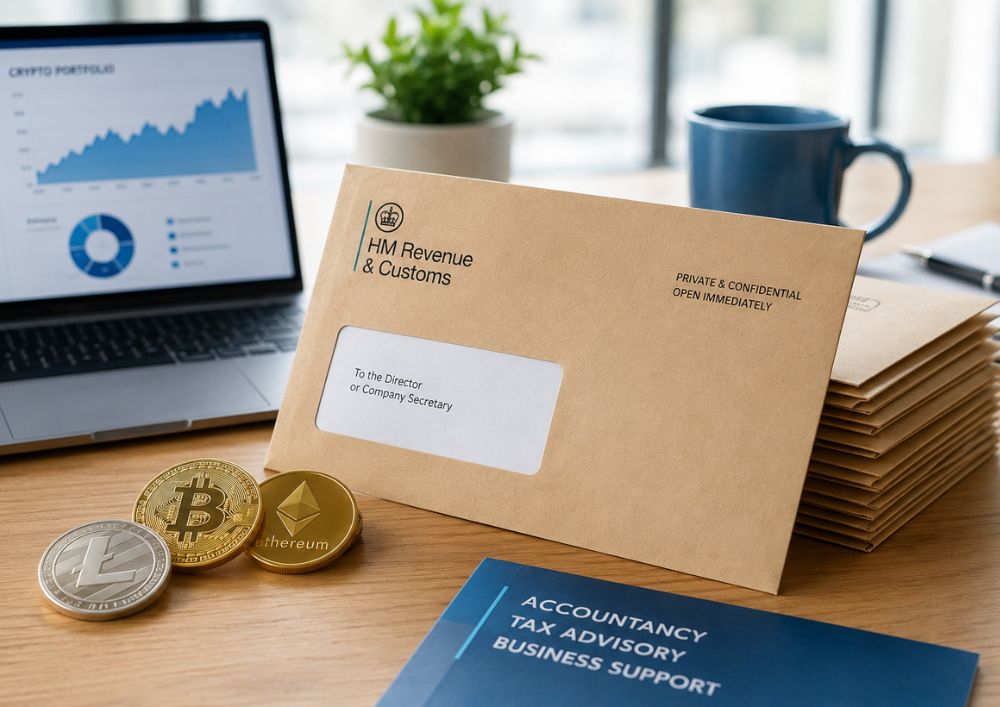
HMRC Is Sending Thousands of Crypto Tax Letters — Here’s What UK Crypto Holders Need to Know
Crypto tax is no longer something investors can afford to ignore. HMRC is increasing its focus on digital assets, and a growing number of UK investors are being contacted about possible Capital Gains Tax liabilities.
Why this matters now
If you own, trade, swap or spend crypto, HMRC may expect you to report taxable gains. New Freedom of Information (FOI) data is said to show that HMRC sent 64,982 crypto-related warning, or “nudge”, letters in the 2024-25 tax year. That is roughly one crypto tax letter every eight minutes.
This number has risen sharply. In 2023-24, HMRC sent just under 28,000 crypto nudge letters. In 2022-23, the FOI data shows that no crypto warning letters were sent at all. Since 2020, the total number of crypto-related nudge letters has reached 101,024.
For crypto holders, the message is simple: HMRC is paying much closer attention to digital assets, and investors need to understand when crypto can create a tax bill.
What is a crypto nudge letter?
A nudge letter is HMRC’s way of prompting taxpayers to check whether they have reported everything correctly. It does not automatically mean you have done something wrong, but it does mean HMRC has information suggesting you may have crypto activity to review.
Crypto has become one of HMRC’s biggest Capital Gains Tax compliance targets. In 2024-25, crypto letters accounted for 62.4% of all CGT nudge letters in the categories shown below, up from 37% the year before.
HMRC CGT nudge letters by category
| Tax year | Crypto assets | Property sales | Overseas assets | Shares | Total |
| 2023-24 | 27,713 | 23,037 | 23,500 | 49 | 74,299 |
| 2024-25 | 64,982 | 19,031 | 20,000 | n/a | 104,013 |
When can crypto create a tax bill?
In the UK, crypto is generally taxed when there is a “disposal”. This can include selling crypto for pounds, swapping one token for another, using crypto to buy goods or services, or giving crypto away to someone other than your spouse, civil partner or charity.
Simply holding crypto is not usually taxable. Moving crypto between wallets you own is also not normally a disposal. The tax issue usually arises when ownership changes, value is realised, or crypto is received as income.
If your total taxable gains for the tax year are above the Capital Gains Tax annual exempt amount, you may need to report the gain to HMRC and pay CGT. Crypto received through activities such as employment or certain rewards may be treated differently and can fall under Income Tax rules.
Five best practices for crypto holders
- Keep a record of every purchase, sale, swap, transfer and payment made with crypto.
- Remember that swapping one token for another can count as a taxable disposal.
- Do not assume small trades or everyday crypto spending are automatically ignored.
- Check HMRC guidance before filing your Self-Assessment return.
- If you spot a mistake, deal with it transparently rather than ignoring it.
Why 2026 raises the stakes
From 1 January 2026, the UK’s Cryptoasset Reporting Framework increases the amount of crypto transaction information that service providers must collect and report. This gives HMRC greater visibility over crypto activity and makes accurate records even more important.
That does not mean every crypto holder will receive a tax bill. It does mean that HMRC is better placed to compare platform data with what appears on a Self-Assessment return. If you have traded across exchanges, wallets or platforms, it is worth getting your records in order early.
The bottom line
Crypto tax is becoming harder to overlook. If you have sold, swapped, spent or earned crypto, take time to review your transactions before the filing deadline. Good records can help you understand whether you owe tax, reduce the risk of mistakes, and respond confidently if HMRC gets in touch.
Need help with your crypto tax position?
If you hold crypto and are unsure what needs to be reported, Kennedys Accounting can help you make sense of your transactions, identify possible tax liabilities and prepare for any contact from HMRC. Speak to the team before the filing deadline so your records are clear, your return is accurate and there are no unwelcome surprises.