
HMRC advise they will be chasing low value tax debt aggressively
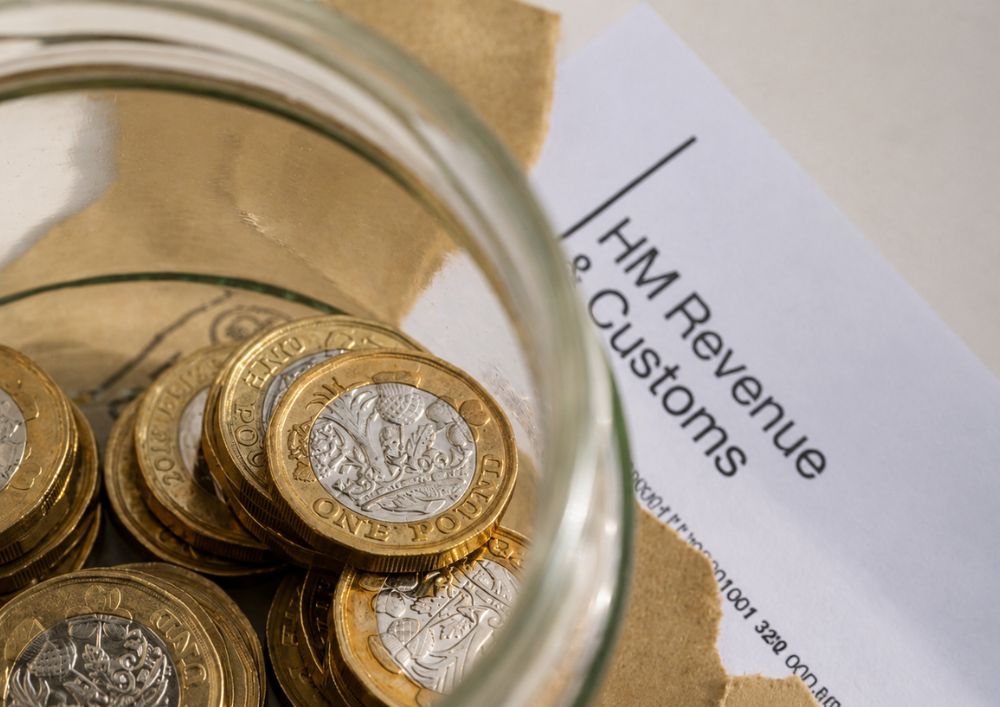
HMRC advise they will be chasing low value tax debt aggressively
HMRC will now be able to go for lower-level debt, but the consultations so far do not include any clarity of the lowest possible figure.
Giving HMRC powers to access small tax debts, apparently below £10,000, directly from taxpayer bank accounts ‘could leave vulnerable struggling to meet essential living costs.’
The lower value tax debt consultation from HMRC sets out proposals for extending existing enforcement powers to ‘recover lower value tax debts from customers who have persistently not engaged.’
The powers would enable HMRC to collect debts by taking ‘affordable’ in their words, ‘monthly instalments directly from the customer’s UK bank or building society account.’
On these ‘affordable monthly instalments,’ HMRC claimed they would ‘ensure that payments are affordable and manageable.’
But the Low Incomes Tax Reform Group (LITRG) have expressed they are very concerned that ‘some vulnerable taxpayers could be adversely affected if adequate protections are not built into the new process.’
HMRC stressed its ‘goal is to strike a balance between the payments being large enough to clear the debt in a reasonable time, but not so high as to impose hardship on the customer or to fail due to insufficient funds.’
The consultation also suggested HMRC’s internal data ‘could’ also be utilised.
Tax returns, PAYE records, or self-assessment returns could be used to indicate income levels for individuals. For businesses, recent turnover figures from VAT returns or accounts would provide a similar indication.
HMRC said taxpayers would be notified in advance and given a ‘final opportunity’ to pay or contact HMRC.
‘Before any deduction action, HMRC would send the customer a formal Pre-Deduction Notice (PDN) informing them of the intention to commence deductions, the consultation stated.
If the taxpayer ignores the notice, HMRC will ‘send a deduction instruction to the deposit taker with whom the customer has an account.’
‘Deposit taker’ means all major deposit holding institutions where individuals or businesses keep money, such as banks or building societies.
‘This instruction would oblige the deposit taker to begin making the specified deductions for a specific period of time, with defined start and end dates,’ the paper stated.
The ‘upper value limits’ have yet to be decided, HMRC stated it ‘does not expect debts in scope to exceed £10,000,’ adding ‘we are also mindful that there may be a need to apply a lower debt value limit for individuals.
But HMRC confirmed: ‘Financial hardship alone would not necessarily exclude someone from this measure; it is possible for customers to be in temporary financial difficulties yet still be capable of engaging with HMRC.’