
With only 2 weeks to go until the self-assessment deadline on Friday 31 January, here are some tips for working on your tax return
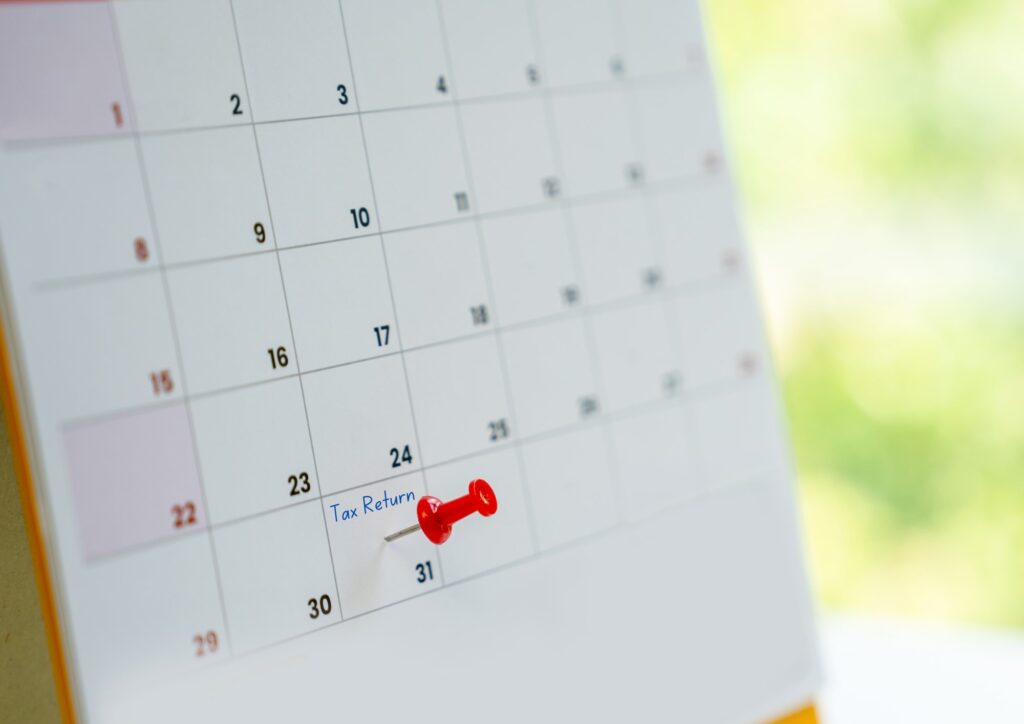
With only 2 weeks to go until the self-assessment deadline on Friday 31 January, here are some tips for working on your tax return
Whether you are an individual taxpayer or a sole trader, it is important to gather all the right information in advance of sending the information to your accountant for them to prepare your tax return. There are a number of changes to returns this year, including reporting cryptocurrency gains and a reduction in filing requirements for some high earners.
Most accountants will send you a checklist to complete to ensure all elements of your tax return are completed correctly.
So, what are the top tips to make this easy for your accountant and to keep yourself on-track for future years?
Assemble all paperwork first
Here are some examples of what is needed:
- forms P60 and P11D from employers
- bank interest certificates
- pension income certificates
- details of any Gift Aid donations made to charity
Make sure you’ve got the right tax year
If you are self-employed, make sure to include your business profits on the tax return because that is what you’ll pay tax on. Be aware that if you don’t draw up your accounts to 31 March, 5 April or any date in between, and have been trading a while, then 2023/24 is a transition year for basis period reform, so you will have to report your business income and day-to-day running costs for the accounting year that finished in that tax year, plus the same figures for the period up to and including 5 April 2024. Your accountant will be able to guide you through this.
What’s the right amount of bank interest?
The total amount of interest your bank paid in the tax year ending 5 April 2024 must be included on the tax return.
If you have a joint bank account with your partner or spouse, include your share of the interest on the account.
If you are running a business, then any interest the bank paid on its bank account goes on your tax return, unless your business is a limited company, in which case the bank interest belongs on the company’s tax return, not yours.
If you have an ISA, leave any interest you’ve received on the ISA off your tax return altogether.
Marriage allowance: to give or to receive?
All taxpayers, except the highest earners, are entitled to receive some of their income tax-free each year, up to the personal allowance level (which is £12,570 at the moment).
If your income is below that level, you will be what is called a non-taxpayer. If you don’t pay tax at any rate higher than the basic rate (20%), or, in Scotland, the intermediate rate (21%), and your partner or spouse is a non-taxpayer, then they may be able to transfer some of their personal allowance to you so that you save some tax. This transfer is called marriage allowance.
Be careful though, not to enter this the wrong way round on your tax return – if you are paying tax at the basic or intermediate rate, you can receive marriage allowance, and if you are a non-taxpayer, you can transfer it. It only works this way round.
Don’t wait until the last minute
If the deadline of 31 January is missed, HMRC will automatically issue a £100 penalty, and will charge interest on any unpaid tax. The cost goes up the longer you leave it…
Here at Kennedys Accounting we still have time to get your self-assessment filed, so please get in touch if you would like our assistance.